
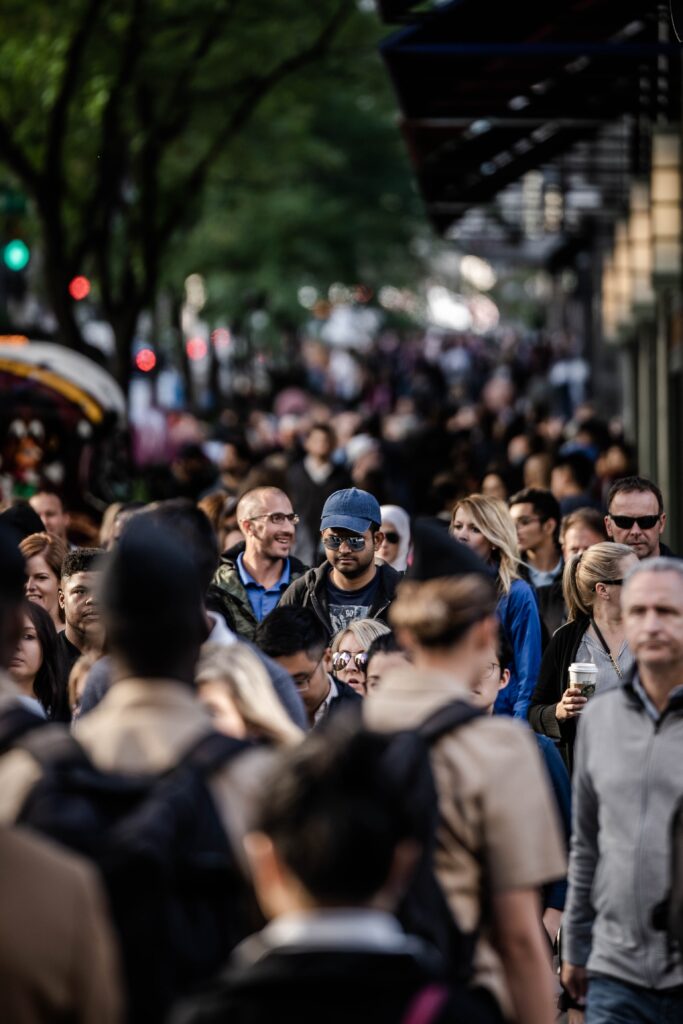
These are some of the judgements that are commonly made and assigned to people who use substances. Particularly to those who use illegal substances and those who develop substance use disorder. These judgements can lead to stereotypes which naturally lead to stigmatization of people who are otherwise struggling with an illness many of us could never imagine.
We are weak willed and lack self control
We are irresponsible and unreliable
We are immoral or have a lack of morals
We come from broken or dysfunctional families
We are homeless or live in poverty
We are dirty, our hygiene is poor
We are criminals or engage in criminal behaviour
We are all sick
We are violent or aggressive
We are uneducated and have low intelligence
We are lazy or motivated
We are hopeless and cannot be helped
We are not worthy of help
Some of those things listed can be characteristics of struggling with substance use and substance use disorder. Or none of those things. The reality is that there are as many characteristics, similarities, differences, benefits and harms to substance use as there are people.
A stereotype is when certain characteristics, usually physically and often psychologically are applied to a group in broad strokes. The characteristics may or may not have any basis in fact. For instance, in my youth, “all hippies were drug addicts and lazy and any man with long hair was a hippie”. I did fancy myself a hippie. And I experienced a great deal of difficulty obtaining meaningful employment because of the length of my hair in those times. I was also frequently followed by security in stores and was even chastised by my own family. And yet, here I am, decades later, successfully retired from a satisfying fulfilling career and hair still all the way down my back. So I suffered (and overcame) the social constraints of that stereotype that was mostly based in judgement and fear.
I also put up with, and even believed many of the stereotypical judgments listed above as I struggled with substance use disorder. And quite frankly, being in recovery from substance use disorder, I’m not feeling the love when anyone decides which one of these traits or all of these traits apply to me. All of these assumptions or judgments are not up to anyone else but me to consider if they fit into my life.
The image that is most commonly described when people are asked what do you see when you think of someone who uses substances.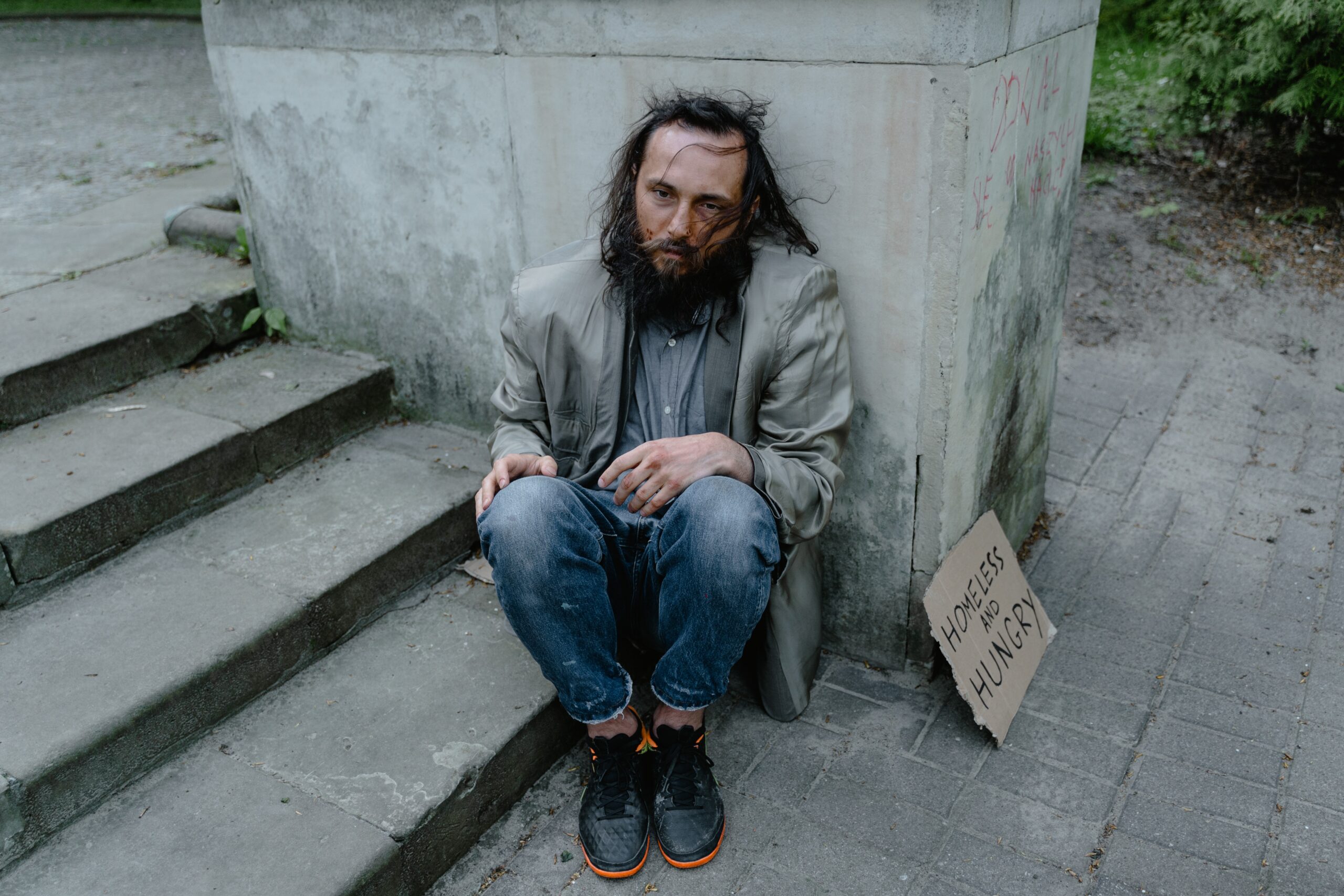
The reality…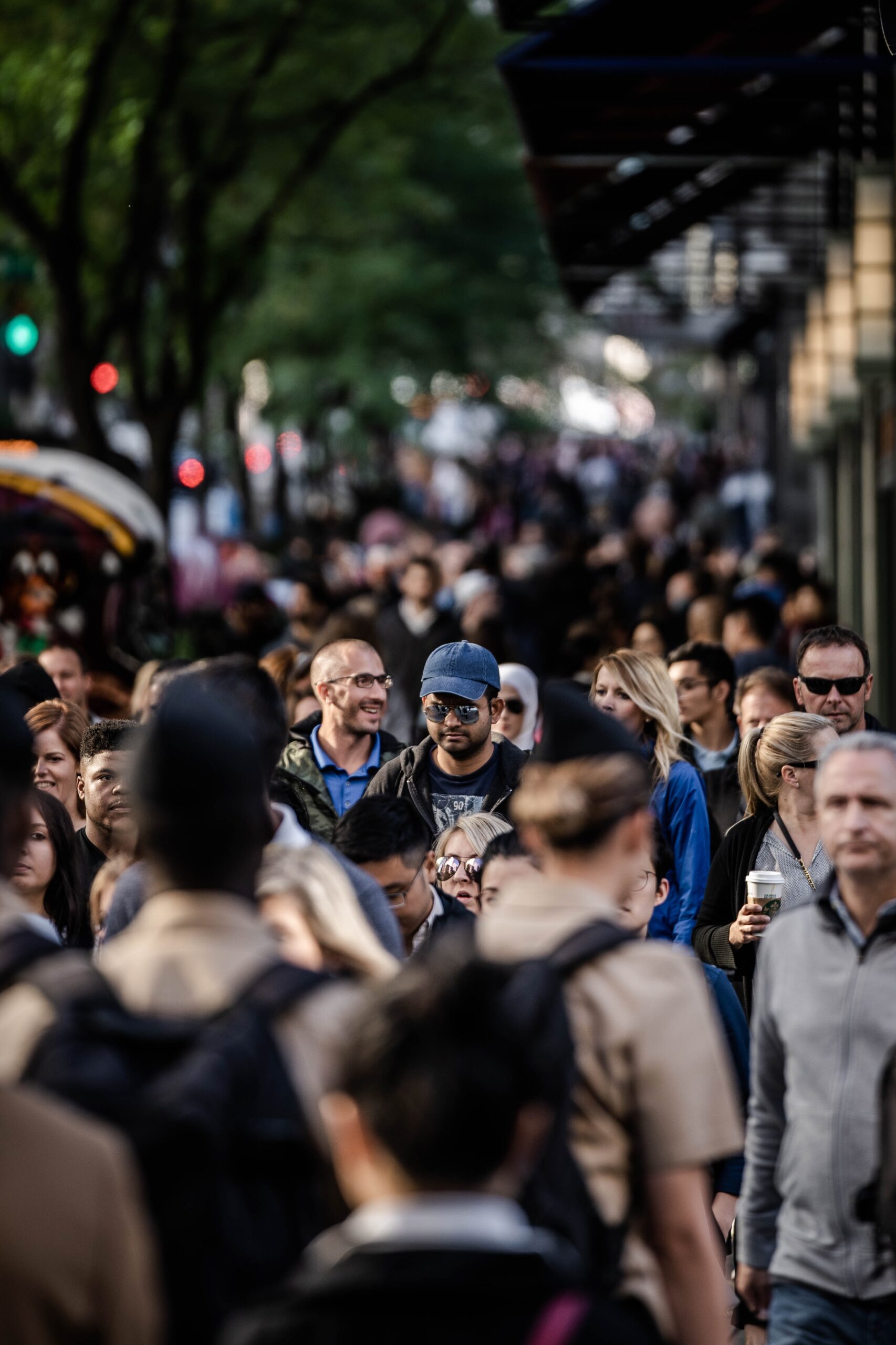
What do you see when you think of someone who uses substances? Do you immediately think “alcoholic” or an “addict”? Do you see a derelict, dirty, downtrodden, sneaky, uncaring inhuman. The fact is that many of us do see those who use substances and who struggle with substance use disorder and/or use illegal substances in this light. The fact is that of all people who use substances, only between 10-20% (depending on the study you read), of people develop substance use disorder or what we refer to as addiction or alcoholism. Yet, we have our stereotypes. Images based on what we have been shown and told over decades and in fact centuries.
These assumptions come from a centuries long history of little to no understanding of what addiction entails, why it develops and how to manage it. We focus on the surface behaviours that can often come with addiction. These behaviours include dishonesty, manipulation, unpredictability, aggression, passiveness, loss of memory, profound loss of self-esteem, isolation and more. What we don’t see is what is underneath these behaviours. So we don’t truly understand them. And then when these behaviours happen, it hurts us. We fear them, lash back, banish, avoid, and in the end, assign words and images that actually objectify what we don’t understand. And when we objectify, it is easier to punish, banish and ignore. It is easier to make this criminal and thus deserving of punishment. We stereotype. We stigmatize.
It’s interesting that our main thought or belief is that the substances we have criminalized were very bad for our health. And yet the one substance that is enjoyed and legal almost universally is the one that has accounted for more harm from a substance than all other substances combined; alcohol. We view those who can drink alcohol without problems as normal. Yet alcohol is extremely addictive under the right circumstances. And as I stated up to 20% of people develop alcohol use disorder. We see those who develop Alcohol Use Disorder or AUD through a false distorted fear based moralistic stereotype. We see them as abnormal rather than a person experiencing the problem. This is stigma.
So what about the behaviours and personality traits that we do see from people who struggle with SUD? Those behaviours do hurt sometimes. They are inappropriate and seemingly even seem immoral at times. In the end we live in a world that requires and expects us to be honest, have integrity, and loyalty; to have morals. Unfortunately, while there is accountability for these behaviours and traits, there is an explanation that provides a rational context to what occurs when there are inappropriate actions happening: A brain that has been impacted by substance use disorder has profoundly changed.
What appears to be weak willed and no self control relates to the functioning of the brain after a disorder has developed. The long and short of it is that will power has nothing to do with the functioning of the brain. Science has established that it is the altered functioning in the brain that is behind the inability to control thought processes and motivation during active addiction. Neural pathways are forged like train tracks or wires in the brain as the disorder progresses. Chemical compounds in substances interact with neural pathways and with neurotransmitters helping to reinforce those tracks. The brain becomes functional in what we consider a disordered way. This impacts how we think rationally, how we feel (or don’t feel), and how we behave.
Our behaviours become symptoms of this disorder. They manifest as what we see as immoral and hurtful. They don’t fit our values. They don’t fit the values of the person who is experiencing them. We don’t understand this from either side so we behave the only way we’ve been taught to; to shame, guilt, and punish, all because we hurt from the impact of these symptoms. This is partly why we define substance use issues as a disorder, because it is a mental health issue with symptoms consistent with various other mental health disorders. The person suffering from the disorder sees themselves as inferior, weak and wrong as does the person who is trying to support the one who is suffering.
This is where our stereotypes have added fuel to the fire.
However, the brain has an incredible ability to respond to proper treatment of the disorder. Neuroplasticity is part of the answer. This is the brain’s ability to adapt and repair itself. The brain can reroute neural pathways and in so doing, can help change thought patterns and behaviours. There are numerous interventions that can assist in this “rewiring” and healing. Often it takes far more than one intervention. We see this as recovery, and the majority of people who struggle with SUD do recover under the ideal conditions.
Another crucial part of healing and recovery is the environment in which everyone is living. Is that environment set up as the perfect storm to keep the symptoms in place or to help alleviate those symptoms and help rewire, reboot if you will, the person that is struggling.
Stereotyping and stigmatizing are the antithesis, the nemesis, of these conditions.
We would not stereotype, thus stigmatize someone who has broken their leg in the same way. We do not stigmatize someone with diabetes, heart problems, even cancer in the same way. Despite the fact that all of these diseases can be prevented and treated to some degree based on our life choices. But our multi-generational beliefs and stereotypes about substance use just make SUD worse when we could actually be treating those with the disorder as people, not objects to be shamed.
So overall, there is no question as to the way stereotyping people with SUD contributes to the disorder and to the social problems that accompany the disorder. This, when the disorder is a change in functioning of the brain that has nothing to do with a moral compass or willpower. It develops and progresses much like a disease.
And we know with certainty that the brain can rewire itself under the proper conditions and treatment.
I hope that this has at least demonstrated how important it is that we all critically think, and aggressively challenge the way we think about substance use and substance use disorders. Substance Use Disorder is not a moral weakness of will. There are many factors that increase the risk of developing the disorder, none of which can fit in any moral box we try to place them in. Our own beliefs, thus stereotypes contribute to those factors and actually create barriers to treatment, healing and recovery.
I implore everyone who reads this to really consider their beliefs and stereotypes. I have seen the damage they can do over my career in treating the disorders. I have studied from many informed colleagues, the research, and have learned from my own lived experience. The most difficult and stressful part of my job was not working with the person who was suffering, but rather working in systems that perpetuated the typical stereotypes, thus the stigma towards people who use substances and develop Substance Use Disorder. It’s hard to help people who struggle when their world has abandoned and banished them.
If we change the way we see things, we can change our part of the world. Maybe we could save some lives.
Resources:
Fisher, Carl Erik “The Urge: Our History of Addiction” Allen Lane – Penguin Random House 2022
Lewis, Marc: “The Biology of Desire: Why Addiction Is Not A Disease” Philadelphia, Public Affairs, 2015
Sandhu, Mandy: “History of Addiction Treatment and Rehab Facilities: A Timeline” Freedom From Addiction.ca/blog 2022
https://calgarydreamcentre.com/statistics-on-addiction-in-canada/#:~:text=In%20Canada%2C%20approximately%2021%25%20of,some%20point%20in%20their%20lifetime. ***just one of many statistical resources many of which differ slightly***
Photo by Cameron Casey: https://www.pexels.com/photo/people-on-sidewalk-selective-focal-photo-1687093/
Photo by MART PRODUCTION: https://www.pexels.com/photo/photo-of-a-homeless-man-8078471/